Description
Offset Poster Printing Singapore — Bulk A1 & A2 Poster Printing
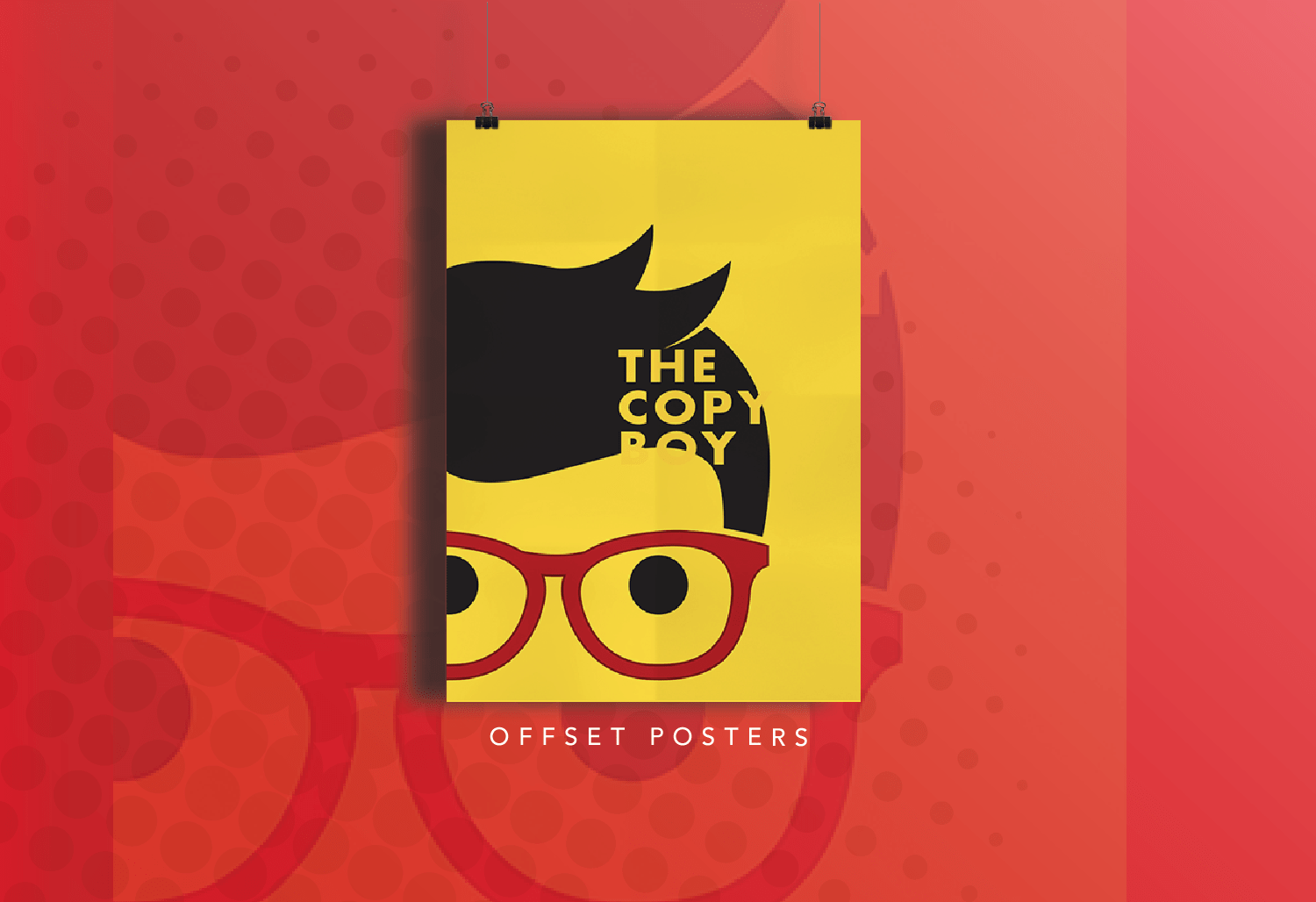
We print posters on offset for large-quantity campaigns, mass distribution, retail rollouts and recurring promotions. If you need hundreds or thousands of the same poster with consistent colour and the lowest per-unit cost, offset is the method to use.
Offset printing uses physical plates to transfer ink onto paper. That gives sharper detail and more consistent colour across a long run than digital. The more you print, the cheaper each poster gets, which is why offset suits bulk production.
When to Choose Offset vs Digital
- Offset (this product) — best for 100 or more posters of the same design. Lower per-unit cost at volume, better colour consistency, more paper stocks to pick from. Lead time is 6–8 working days.
- Digital (see our Digital Posters) — best for 1–99 posters, mixed designs or urgent deadlines. No minimum order, express next-day available. Costs more per unit but it’s faster and more flexible.
Not sure which to pick? Same design in bulk, go offset, it’ll almost always be cheaper. Need speed or variety, go digital.
Available Sizes
- A2 (420 mm × 594 mm) — a mid-size wall poster. This is the size most people use for in-store retail promotions, F&B menus, event advertising and indoor wall displays. Readable from a comfortable distance without taking over the wall.
- A1 (594 mm × 840 mm) — a large wall poster. A high-impact format for shopfront windows, corridor displays, exhibition booths, cinema lobbies and outdoor notice boards. It holds attention in bigger spaces.
Paper Stock Options
Simili (uncoated, lightweight):
- 80 GSM Simili — thin, uncoated wood-free paper. The most economical option for high-volume distribution: notice boards, community postings and mass campaigns where cost per unit comes first.
- 100 GSM Simili — slightly thicker uncoated paper with a more substantial feel than 80 GSM. A sensible middle ground of economy and quality for general-purpose posters.
- 140 GSM Simili — a heavier uncoated stock. It feels noticeably sturdier and has a smooth, natural writing surface. Good for posters that should look more professional without the gloss of a coated paper.
Art Paper (coated, mid-weight):
- 128 GSM Art Paper — lightweight coated paper with a smooth surface and strong colour. Popular for promotional posters, event flyers and retail displays where print quality matters but the poster doesn’t need to be thick.
- 157 GSM Art Paper — a versatile mid-weight coated stock and the paper most people choose for marketing posters. Substantial enough to feel professional, with clean colour and detail.
Art Card (coated, heavyweight):
- 260 GSM Art Card — thick, rigid card stock. It holds its shape without curling and can stand in a display holder. Good for counter-top displays, point-of-sale materials and posters that won’t be mounted or framed.
- 310 GSM Art Card — heavier and more rigid. A solid feel for display boards, standees and posters that need more stiffness.
- 360 GSM Art Card — the thickest option. Very rigid and durable. Used for heavy-duty displays, outdoor standees and posters that have to take handling and weather.
Choosing the Right Paper:
- Mass distribution / notice boards → 80–100 GSM Simili
- Standard marketing posters → 128–157 GSM Art Paper
- Counter displays / POS → 260 GSM Art Card
- Standees / heavy-duty displays → 310–360 GSM Art Card
Finishing Options
- No finishing — standard printed surface, no extra coating.
- Matt Lamination (1-side or 2-side) — a smooth matte protective film. It cuts glare, resists fingerprints and adds durability. Professional and understated.
- Gloss Lamination (1-side or 2-side) — a glossy protective film that deepens colour and gives a polished sheen. Reads well under retail lighting.
- UV Varnish (1-side or 2-side) — a clear protective coating with a subtle sheen. Lighter than lamination but still adds smudge resistance and a clean finish. (Available for A2 size)
We strongly recommend lamination for posters in high-traffic areas, outdoor spots or anywhere they’ll be handled. It extends the poster’s life and keeps colours looking fresh.
Printing Options
- Single-sided — the standard for wall-mounted posters and displays.
- Double-sided — for posters in window panels, hanging displays or transparent frames where both sides show.
Common Uses
- Retail chains and franchises — the same promotional poster across multiple outlets. Offset means every location gets identical, colour-matched prints.
- F&B and restaurant chains — menu posters, seasonal promotions and new item launches rolled out across all branches.
- Property launches and showrooms — development posters, floor plan displays and lifestyle imagery for sales galleries.
- Cinema and entertainment — movie posters, event promotions and performance schedules.
- Government and community — public notices, campaign posters and educational displays for community centres and libraries.
- Education — school event promotions, open house posters and campus-wide announcements.
- Corporate offices — brand values displays, motivational posters and internal communications across multiple floors or branches.
Artwork Requirements
- File Format: PDF, AI, PSD, JPG, PNG
- Colour Mode: CMYK
- Resolution: minimum 300 DPI (150 DPI is acceptable for A1 posters viewed from a distance)
- For AI files: outline all text and embed images
- Send files via the website (max 512 MB), WeTransfer or Google Drive
Quantity
- A2: from 300 to 20,000 posters
- A1: from 100 to 20,000+ posters
Offset is most cost-effective at higher volumes, and the per-unit price drops sharply as the quantity goes up. For under 100 pieces we’d point you to our Digital Poster service instead, for quicker turnaround and lower setup cost.
Production Lead Time
- Standard: 6–8 working days
Delivery
- Standard courier: $5 (2–3 working days)
- Same-day / timeslot delivery: $20
- Free delivery for orders above $100